The desk came first.
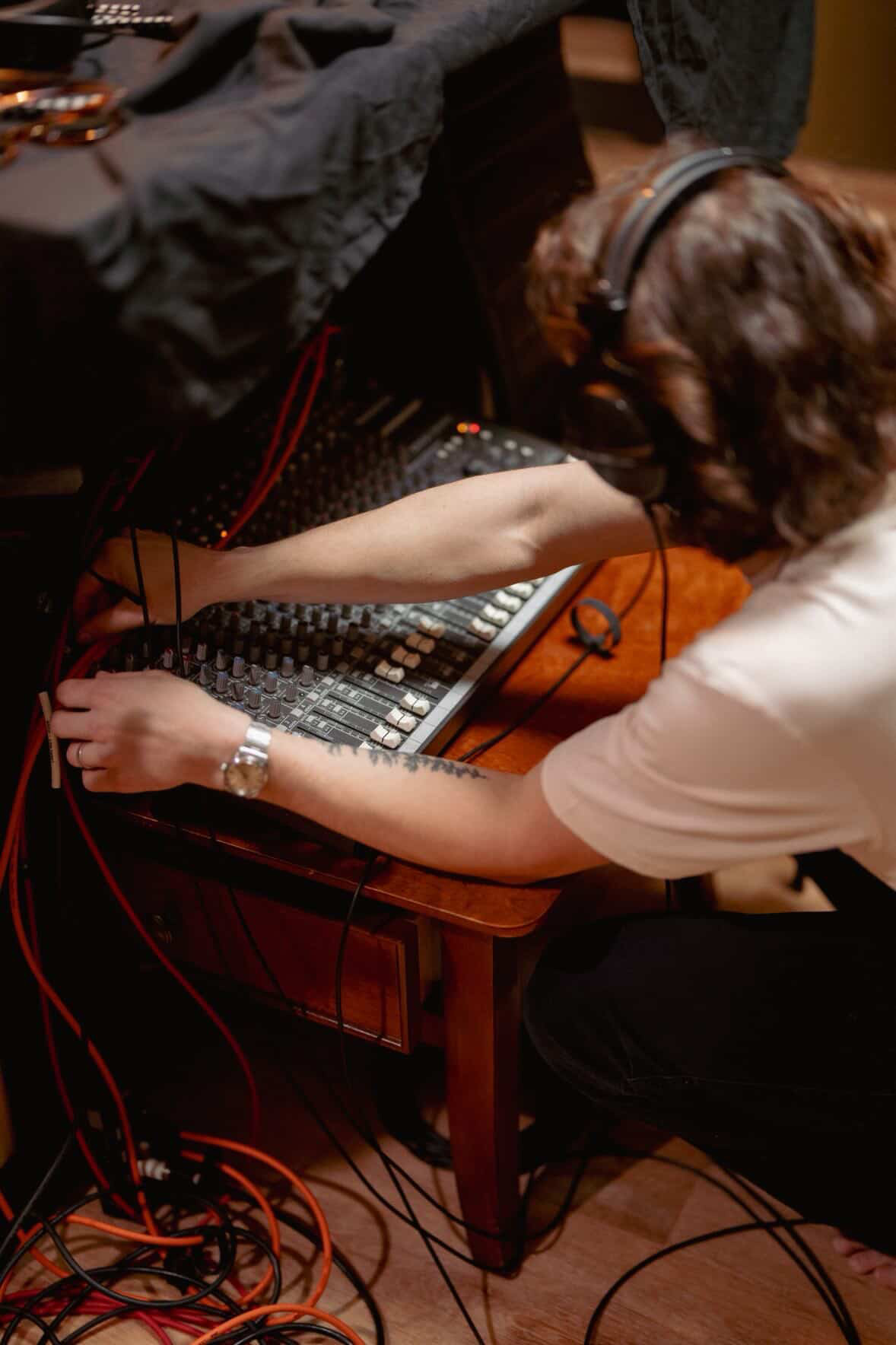
At 21, I built a rough-sawn cedar studio desk. It had to hold the gear, make the work comfortable, and survive
the reality that I would keep moving. There was no version on a shelf that understood all three, so I made the thing the work required.
That desk has become a useful way to think about records. The process should fit the project—not ask the project to squeeze into a fixed menu of services, habits, or equipment. Sometimes that means a carefully planned studio schedule. Sometimes it means carrying a small rig into a treehouse and letting an unfamiliar room change the arrangement.
The common thread is attention: listening for what is already there, building only what helps, and leaving enough room for an artist to surprise themselves.